FREE SHIPPING FOR ORDERS OVER $120

12 Weeks to Stronger Habits:
A Fitness Guide for Dads Over 30
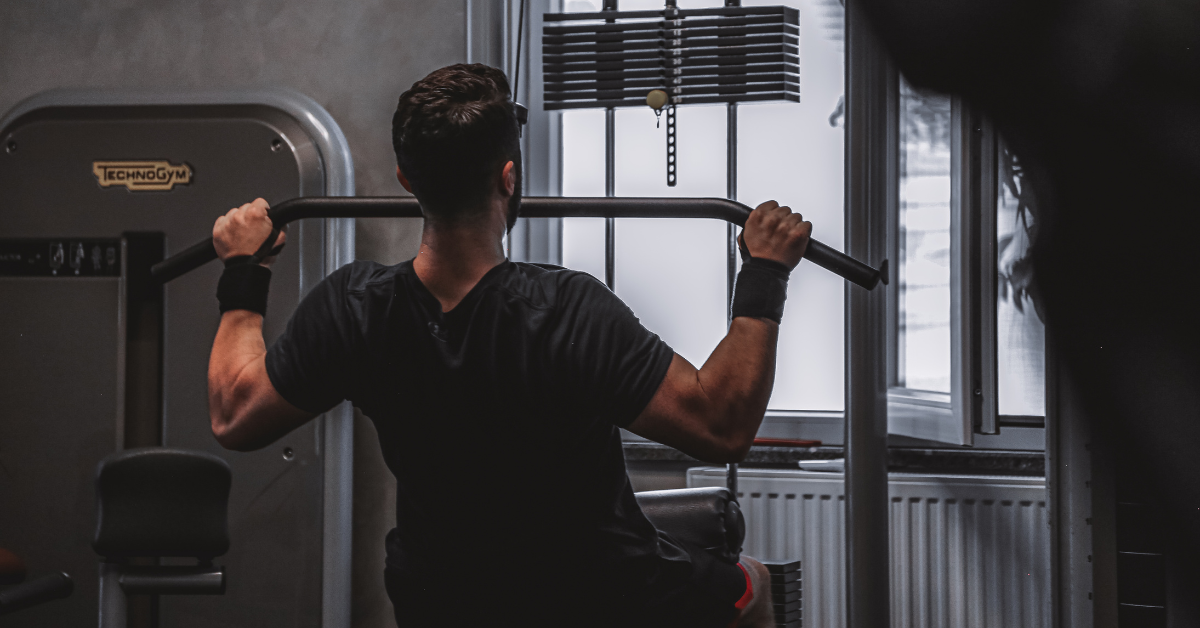
If you’re a dad over 30, balancing work, family, and fitness can feel like a constant juggling act. Between deadlines, school runs, and late nights, it’s easy for health to slip down the list. But building strength and energy doesn’t require a perfect schedule — it starts with small, consistent habits that fit your real life.
This 12‑week guide breaks down how busy dads can rebuild momentum, improve confidence, and create sustainable routines that last. Each phase focuses on practical steps — from smarter workouts to better recovery — so you can feel stronger, sharper, and more present for your family.

Weeks 1–2: Laying the Foundation
The first step for dads over 30 is to set clear, realistic goals — whether that’s losing weight, rebuilding strength, or simply feeling more energetic. The focus in these first two weeks should be on building habits, not chasing perfection.
Key actions to start with:
-
Simple workouts: Aim for 3 sessions per week using bodyweight and dumbbell basics.
-
Nutrition reset: Cut back on processed foods, track meals, and prioritize lean protein.
-
Sleep routine: Target 7 hours nightly to support recovery and energy.
The goal in this phase is consistency. Logging meals, tracking workouts, and celebrating small wins helps create momentum that sets the stage for long‑term progress.
Weeks 1–2: Laying the Foundation
The first step for dads over 30 is to set clear, realistic goals — whether that’s losing weight, rebuilding strength, or simply feeling more energetic. The focus in these first two weeks should be on building habits, not chasing perfection.
Key actions to start with:
-
Simple workouts: Aim for 3 sessions per week using bodyweight and dumbbell basics.
-
Nutrition reset: Cut back on processed foods, track meals, and prioritize lean protein.
-
Sleep routine: Target 7 hours nightly to support recovery and energy.
The goal in this phase is consistency. Logging meals, tracking workouts, and celebrating small wins helps create momentum that sets the stage for long‑term progress.
Weeks 1–2: Laying the Foundation
The first step for dads over 30 is to set clear, realistic goals — whether that’s losing weight, rebuilding strength, or simply feeling more energetic. The focus in these first two weeks should be on building habits, not chasing perfection.
Key actions to start with:
-
Simple workouts: Aim for 3 sessions per week using bodyweight and dumbbell basics.
-
Nutrition reset: Cut back on processed foods, track meals, and prioritize lean protein.
-
Sleep routine: Target 7 hours nightly to support recovery and energy.
The goal in this phase is consistency. Logging meals, tracking workouts, and celebrating small wins helps create momentum that sets the stage for long‑term progress.
Weeks 3–4: Building Momentum

Once the foundation is set, the next step is to gradually increase intensity. This phase is about adding variety and structure to keep progress moving forward.
Key actions to focus on:
-
Strength training: Incorporate compound lifts such as squats, presses, and rows to build functional strength.
-
Cardio: Add two short HIIT sessions each week to boost endurance and metabolism.
-
Meal prep: Use Sunday planning to ensure healthy options are ready during busy workdays.
By weeks 3–4, dads often notice early wins — a few pounds lost, sharper focus at work, and more energy to enjoy time with family. These small victories reinforce consistency and build confidence to keep going.
Weeks 3–4: Building Momentum
Once the foundation is set, the next step is to gradually increase intensity. This phase is about adding variety and structure to keep progress moving forward.
Key actions to focus on:
-
Strength training: Incorporate compound lifts such as squats, presses, and rows to build functional strength.
-
Cardio: Add two short HIIT sessions each week to boost endurance and metabolism.
-
Meal prep: Use Sunday planning to ensure healthy options are ready during busy workdays.
By weeks 3–4, dads often notice early wins — a few pounds lost, sharper focus at work, and more energy to enjoy time with family. These small victories reinforce consistency and build confidence to keep going.
Weeks 3–4: Building Momentum
Once the foundation is set, the next step is to gradually increase intensity. This phase is about adding variety and structure to keep progress moving forward.
Key actions to focus on:
-
Strength training: Incorporate compound lifts such as squats, presses, and rows to build functional strength.
-
Cardio: Add two short HIIT sessions each week to boost endurance and metabolism.
-
Meal prep: Use Sunday planning to ensure healthy options are ready during busy workdays.
By weeks 3–4, dads often notice early wins — a few pounds lost, sharper focus at work, and more energy to enjoy time with family. These small victories reinforce consistency and build confidence to keep going.
Weeks 5–6: Overcoming Obstacles
Life doesn’t slow down — late nights at work, school events, and family commitments will always compete for your time. The key in this phase is learning to adapt instead of quitting.
Smart adjustments to stay consistent:
-
Shortened workouts: Scale sessions down to 30 minutes when pressed for time.
-
Healthy snacks on hand: Keep pre‑packed options like nuts or protein shakes to avoid fast food.
-
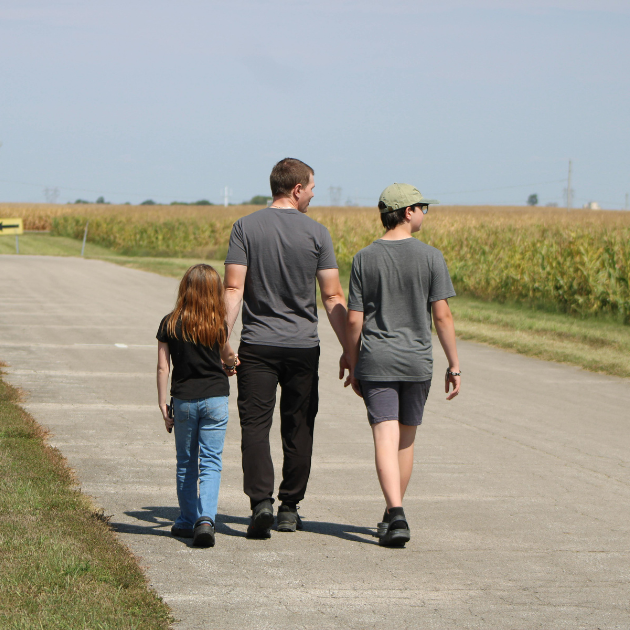
Family involvement: Turn activity into quality time by inviting kids for weekend walks or play.
By week 6, the focus isn’t on perfection but on proving that consistency matters most. Even small adjustments keep progress moving forward and reinforce the habit of prioritizing health alongside family life.
Weeks 5–6: Overcoming Obstacles
Life doesn’t slow down — late nights at work, school events, and family commitments will always compete for your time. The key in this phase is learning to adapt instead of quitting.
Smart adjustments to stay consistent:
-
Shortened workouts: Scale sessions down to 30 minutes when pressed for time.
-
Healthy snacks on hand: Keep pre‑packed options like nuts or protein shakes to avoid fast food.
-
Family involvement: Turn activity into quality time by inviting kids for weekend walks or play.
By week 6, the focus isn’t on perfection but on proving that consistency matters most. Even small adjustments keep progress moving forward and reinforce the habit of prioritizing health alongside family life.
Weeks 5–6: Overcoming Obstacles
Life doesn’t slow down — late nights at work, school events, and family commitments will always compete for your time. The key in this phase is learning to adapt instead of quitting.
Smart adjustments to stay consistent:
-
Shortened workouts: Scale sessions down to 30 minutes when pressed for time.
-
Healthy snacks on hand: Keep pre‑packed options like nuts or protein shakes to avoid fast food.
-
Family involvement: Turn activity into quality time by inviting kids for weekend walks or play.
By week 6, the focus isn’t on perfection but on proving that consistency matters most. Even small adjustments keep progress moving forward and reinforce the habit of prioritizing health alongside family life.
Weeks 7–8: Turning the Corner

By this stage, visible changes often start to show — a leaner waistline, firmer muscles, and more energy throughout the day. The focus now is on evolving the plan to keep progress steady.
Key actions to emphasize:
-
Progressive overload: Gradually increase weights to challenge your muscles and build strength.
-
Balanced nutrition: Aim for a simple breakdown such as 40% protein, 30% carbs, and 30% healthy fats to support training and recovery.
-
Mindset shift: Journal daily wins or track progress to stay motivated and reinforce consistency.
Reaching the halfway mark is a confidence boost. Seeing tangible results reminds dads that steady effort pays off and sets the tone for the second half of the journey.
Weeks 7–8: Turning the Corner
By this stage, visible changes often start to show — a leaner waistline, firmer muscles, and more energy throughout the day. The focus now is on evolving the plan to keep progress steady.
Key actions to emphasize:
-
Progressive overload: Gradually increase weights to challenge your muscles and build strength.
-
Balanced nutrition: Aim for a simple breakdown such as 40% protein, 30% carbs, and 30% healthy fats to support training and recovery.
-
Mindset shift: Journal daily wins or track progress to stay motivated and reinforce consistency.
Reaching the halfway mark is a confidence boost. Seeing tangible results reminds dads that steady effort pays off and sets the tone for the second half of the journey.
Weeks 7–8: Turning the Corner
By this stage, visible changes often start to show — a leaner waistline, firmer muscles, and more energy throughout the day. The focus now is on evolving the plan to keep progress steady.
Key actions to emphasize:
-
Progressive overload: Gradually increase weights to challenge your muscles and build strength.
-
Balanced nutrition: Aim for a simple breakdown such as 40% protein, 30% carbs, and 30% healthy fats to support training and recovery.
-
Mindset shift: Journal daily wins or track progress to stay motivated and reinforce consistency.
Reaching the halfway mark is a confidence boost. Seeing tangible results reminds dads that steady effort pays off and sets the tone for the second half of the journey.
Weeks 9–10: Pushing Limits

With energy levels rising, this phase is about embracing new challenges and keeping training engaging. The goal is to push beyond the comfort zone while still making fitness fit into real life.
Key actions to focus on:
-
Supersets and circuits: Use these to maximize training efficiency and keep workouts dynamic.
-
Outdoor activities with family: Bike rides, hikes, or weekend sports make fitness fun and strengthen family bonds.
-
Smart supplementation: Options like whey protein and omega‑3s can support recovery and overall health.
By week 10, dads often feel stronger, more confident, and energized — proof that consistent effort builds momentum and makes fitness a natural part of daily life.
Weeks 9–10: Pushing Limits
With energy levels rising, this phase is about embracing new challenges and keeping training engaging. The goal is to push beyond the comfort zone while still making fitness fit into real life.
Key actions to focus on:
-
Supersets and circuits: Use these to maximize training efficiency and keep workouts dynamic.
-
Outdoor activities with family: Bike rides, hikes, or weekend sports make fitness fun and strengthen family bonds.
-
Smart supplementation: Options like whey protein and omega‑3s can support recovery and overall health.
By week 10, dads often feel stronger, more confident, and energized — proof that consistent effort builds momentum and makes fitness a natural part of daily life.
Weeks 9–10: Pushing Limits
With energy levels rising, this phase is about embracing new challenges and keeping training engaging. The goal is to push beyond the comfort zone while still making fitness fit into real life.
Key actions to focus on:
-
Supersets and circuits: Use these to maximize training efficiency and keep workouts dynamic.
-
Outdoor activities with family: Bike rides, hikes, or weekend sports make fitness fun and strengthen family bonds.
-
Smart supplementation: Options like whey protein and omega‑3s can support recovery and overall health.
By week 10, dads often feel stronger, more confident, and energized — proof that consistent effort builds momentum and makes fitness a natural part of daily life.
Weeks 11–12: Transformation Achieved

The final stretch is about refinement and reinforcing the habits built over the past weeks. This phase focuses on polishing routines and celebrating progress.
Key actions to prioritize:
-
Fine‑tune nutrition: Slightly reduce portion sizes or adjust macros to shed the last few pounds.
-
Mobility work: Add stretching or mobility sessions to prevent injury and improve recovery.
-
Celebrate milestones: Acknowledge progress and involve family in the wins to reinforce the lifestyle shift.
By week 12, dads often notice significant changes — leaner muscle, improved energy, and greater confidence. More importantly, the habits built during this journey fit seamlessly into busy family life, making fitness sustainable long‑term.
Weeks 11–12: Transformation Achieved
The final stretch is about refinement and reinforcing the habits built over the past weeks. This phase focuses on polishing routines and celebrating progress.
Key actions to prioritize:
-
Fine‑tune nutrition: Slightly reduce portion sizes or adjust macros to shed the last few pounds.
-
Mobility work: Add stretching or mobility sessions to prevent injury and improve recovery.
-
Celebrate milestones: Acknowledge progress and involve family in the wins to reinforce the lifestyle shift.
By week 12, dads often notice significant changes — leaner muscle, improved energy, and greater confidence. More importantly, the habits built during this journey fit seamlessly into busy family life, making fitness sustainable long‑term.
Weeks 11–12: Transformation Achieved
The final stretch is about refinement and reinforcing the habits built over the past weeks. This phase focuses on polishing routines and celebrating progress.
Key actions to prioritize:
-
Fine‑tune nutrition: Slightly reduce portion sizes or adjust macros to shed the last few pounds.
-
Mobility work: Add stretching or mobility sessions to prevent injury and improve recovery.
-
Celebrate milestones: Acknowledge progress and involve family in the wins to reinforce the lifestyle shift.
By week 12, dads often notice significant changes — leaner muscle, improved energy, and greater confidence. More importantly, the habits built during this journey fit seamlessly into busy family life, making fitness sustainable long‑term.
Results Beyond the Scale
The benefits of building consistent habits go far beyond the numbers on the scale.
Physical: A leaner physique, stronger lifts, and improved endurance.
Mental: Boosted confidence, reduced stress, and sharper focus.
Family impact: More energy to be active with kids and inspire them to value health.
This 12‑week guide shows that transformation isn’t about quick fixes — it’s about steady progress. With small, consistent steps, dads over 30 can reclaim their fitness without sacrificing family or career.
👉 Ready to start your own transformation? Explore Agitate Fitness for guidance and support tailored for real dads.

Our Products
Our Policy
Support
PROGRESS OVER PERFECTION
Subscribe for training tips, events, and exclusive promos delivered straight to you.
© Copyright. All rights reserved.